
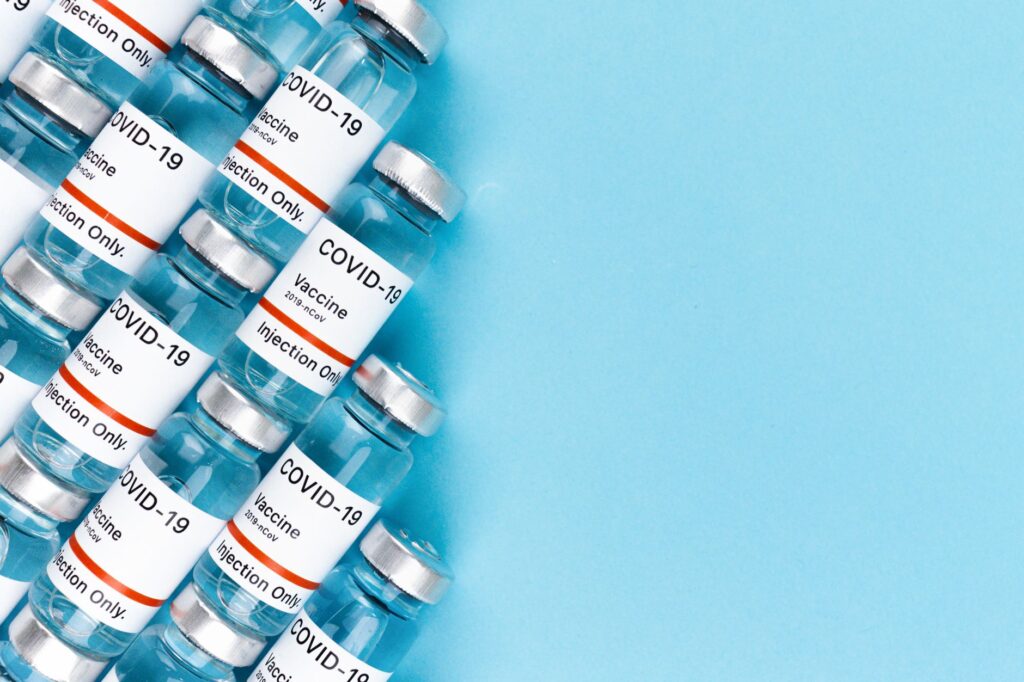
Faster FDA approvals are reshaping the landscape of drug access. This article explores recent developments in Montana regarding experimental drugs and the implications for patients.
What Are Faster FDA Approvals?
Faster FDA approvals refer to expedited processes implemented by the U.S. Food and Drug Administration to reduce the time it takes for new drugs to reach the market. This initiative aims to enhance patient access to innovative therapies, especially for serious or life-threatening conditions where few treatment options exist.
The FDA employs several mechanisms to facilitate faster approvals, including:
- Fast Track Designation: This program accelerates the development of drugs that treat serious conditions and fill unmet medical needs.
- Breakthrough Therapy Designation: This designation is provided for drugs that show substantial improvement over existing therapies, allowing for more intensive guidance during the development process.
- Accelerated Approval: This pathway enables drugs to be approved based on early evidence that suggests a benefit, often using surrogate endpoints.
- Priority Review: Drugs that receive priority review are processed within six months, rather than the standard ten months, allowing for quicker access to new treatments.
These faster FDA approvals not only speed up the availability of important new treatments but also foster innovation within the pharmaceutical industry. By streamlining the regulatory process, the FDA aims to balance the need for rapid access with ensuring that new medications are safe and effective for public use.
Impact on Patients in Montana
The recent push for faster FDA approvals is having a significant impact on patients in Montana, particularly those facing serious health challenges. With the expedited review process, many patients are gaining access to new treatments that were previously unavailable.
For many individuals struggling with conditions such as cancer or rare diseases, the ability to access experimental drugs can mean the difference between life and death. Faster FDA approvals allow for the evaluation of these therapies in a more timely manner, which is crucial for patients who are running out of options.
In Montana, local healthcare providers are witnessing firsthand the benefits of these changes. They report that patients are more hopeful and engaged in their treatment plans, knowing that innovative therapies are on the horizon. However, access to these drugs does not come without challenges.
- Education: Patients need to be informed about the risks and benefits associated with new treatments.
- Cost: Many experimental drugs can be expensive, raising concerns about affordability.
- Regulation: There is a need for ongoing oversight to ensure that faster FDA approvals do not compromise safety.
As the landscape of drug approval continues to evolve, Montanans remain hopeful that faster FDA approvals will lead to more effective treatments and improved health outcomes for all patients.
Recent Changes in Drug Regulations
Recent changes in drug regulations have significantly impacted the landscape of faster FDA approvals, aiming to streamline the process of bringing new medications to market. These adjustments are primarily designed to enhance patient access to innovative treatments while ensuring safety and efficacy.
One of the most notable changes involves the implementation of the FDA’s Real-Time Oncology Review program. This initiative allows for the continuous evaluation of clinical trial data, enabling quicker decision-making regarding the approval of cancer therapies. As a result, patients with life-threatening conditions can receive access to potentially life-saving medications far sooner than in the past.
Additionally, the FDA has introduced the Accelerated Approval Pathway, which permits the approval of drugs based on preliminary evidence of efficacy. This pathway is particularly relevant for conditions where there are unmet medical needs, such as rare diseases. By allowing earlier access, patients can begin treatment while additional data is collected post-approval.
Another significant regulation is the expansion of the Expanded Access program, which provides patients with the opportunity to access investigational drugs outside of clinical trials. This expansion has been a crucial step in ensuring that patients in Montana and beyond can benefit from the latest advancements in treatment options.
As these regulations continue to evolve, the goal remains clear: to facilitate faster FDA approvals while maintaining rigorous safety standards for all new drugs.
The Process Behind FDA Approvals
The process behind FDA approvals has evolved significantly, particularly in recent years, leading to faster FDA approvals for new drugs. Understanding this process is essential for both patients and healthcare professionals seeking timely access to innovative treatments.
The FDA employs a multi-step review process for drug applications, which typically includes:
- Preclinical Testing: Before a drug is tested on humans, it undergoes rigorous laboratory and animal studies to assess its safety and biological activity.
- Investigational New Drug (IND) Application: If preclinical results are promising, a pharmaceutical company submits an IND application to the FDA, outlining the proposed clinical trial plan.
- Clinical Trials: These trials are conducted in three phases to evaluate the drug’s safety and efficacy in human subjects. Phase 1 focuses on safety, Phase 2 on efficacy, and Phase 3 on comparing the new drug with existing treatments.
- New Drug Application (NDA): Following successful clinical trials, the manufacturer submits an NDA, presenting all data collected and requesting FDA approval for market entry.
- FDA Review: The FDA reviews the NDA, which can lead to expedited processes such as Priority Review or Breakthrough Therapy Designation, facilitating faster FDA approvals.
By streamlining these stages, the FDA aims to provide patients with quicker access to potentially life-saving medications, particularly in urgent health circumstances.
Experimental Drugs Explained
Experimental drugs, often referred to as investigational drugs, are medications that have not yet received approval from the FDA for general use. These drugs are still in the testing phases, undergoing rigorous clinical trials to determine their safety and efficacy. The need for faster FDA approvals has become more pressing as patients seek access to treatments that might be life-saving, especially for conditions with limited options.
When considering experimental drugs, it is essential to understand the pathway they follow:
- Preclinical Testing: Before human trials, drugs undergo laboratory and animal testing to gauge their safety.
- Clinical Trials: These are conducted in three phases, each designed to assess the drug’s safety, dosage, and effectiveness.
- FDA Review: Following successful trials, the drug manufacturer submits a New Drug Application (NDA) to the FDA for evaluation.
In recent years, the FDA has implemented programs to expedite the approval process for promising experimental drugs that address unmet medical needs. This is particularly vital for patients in Montana and other regions where treatment options may be limited. Initiatives such as the Breakthrough Therapy designation and the Accelerated Approval pathway aim to provide faster FDA approvals, allowing patients quicker access to potentially transformative therapies.
Ultimately, while the promise of experimental drugs can bring hope, it is crucial for patients to discuss their options with healthcare professionals to make informed decisions.
Future of Drug Access
The landscape of drug access is evolving rapidly, particularly with the advent of faster FDA approvals. This shift not only promises quicker access to life-saving medications but also encourages innovation within the pharmaceutical industry. As regulatory bodies adapt to the urgent needs of patients, several trends are emerging that could shape the future of drug access.
- Increased Collaboration: Future approvals may witness enhanced partnerships between the FDA, pharmaceutical companies, and healthcare providers. This collaboration can streamline processes and ensure that new therapies meet safety and efficacy standards while reaching patients more quickly.
- Real-World Evidence: The use of real-world evidence (RWE) is becoming more prevalent. By analyzing data from actual patient experiences, regulatory authorities can make informed decisions about drug approvals, potentially expediting the review process.
- Patient-Centric Approaches: As the focus shifts towards patient needs, the FDA is likely to prioritize drugs that address unmet medical needs or provide significant improvements over existing treatments. This could lead to even faster FDA approvals for breakthrough therapies.
- Global Harmonization: Efforts to harmonize regulatory standards internationally may also influence drug access. By aligning requirements across countries, pharmaceutical companies can facilitate quicker approvals in multiple regions.
In summary, the future of drug access looks promising, with faster FDA approvals paving the way for innovative treatments to reach patients more efficiently.
Challenges Faced by the FDA
The FDA, while striving for faster approvals, faces numerous challenges that can impact the drug approval process. The increasing demand for quick access to new medications often clashes with the need for thorough evaluation to ensure safety and efficacy.
Some of the primary challenges include:
- Resource Limitations: The FDA operates under budget constraints, which can limit its capacity to expedite reviews and increase staffing for quicker evaluations.
- Complexity of Clinical Trials: Many new drugs are developed through complex clinical trials that require extensive data collection and analysis, making rapid approvals difficult.
- Regulatory Hurdles: Navigating the regulatory landscape can be cumbersome, as companies must comply with various guidelines that can delay the approval process.
- Public Health Concerns: The agency must balance the urgency for faster FDA approvals with the necessity of ensuring that new drugs do not pose unforeseen risks to patients.
- Stakeholder Pressure: Pharmaceutical companies, patient advocacy groups, and healthcare providers often push for faster access, which can lead to conflicting priorities within the FDA.
These challenges illustrate the delicate balance the FDA must maintain between speed and safety, ensuring that while drugs reach patients faster, their effectiveness and safety are not compromised.
Photo by Maksim Goncharenok on Pexels




More Stories
X4 Pharmaceuticals FDA approval: Is it Worth the Risk?
Cannabis Business’s Smart Bet: Proven Path to FDA Approval